


On March 5, seven maritime insurance clubs sent out cancellation notices. Gard, NorthStandard, Skuld, Steamship Mutual, the American Club, the Swedish Club, and the London P&I Club all withdrew war-risk coverage for the Persian Gulf and nearby waters.
No government gave the order. No missile attack set this off.
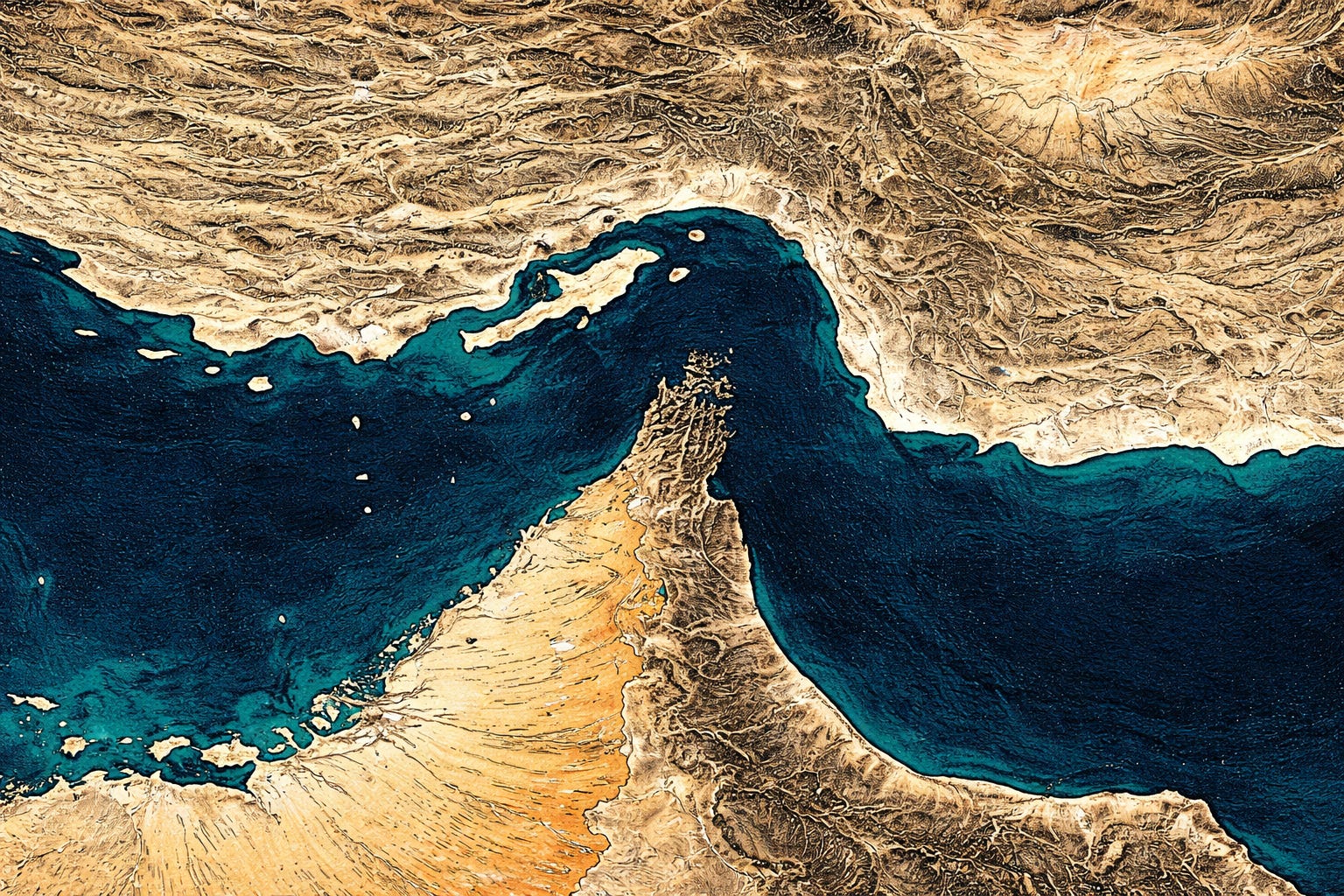
The clubs reviewed their risk models and EU capital requirements, then decided the numbers didn’t add up anymore. Two days later, tanker traffic through the Strait of Hormuz stopped completely. Three hundred oil tankers waited at anchor. Brent crude went over $100 for the first time since 2022.
It wasn’t the US Navy that closed the Strait. It was seven insurance desks.
Most people watching this conflict are focused on the wrong details. They look at airstrikes, carrier groups, and press briefings about air defense. Military actions are easy to see. But the Strait didn’t close because of military moves. It closed because reinsurance desks in London, following EU capital rules, pulled out of the market. These two things are hardly related.
One analyst calls this Actuarial Warfare. Instead of military force, a private regulatory system now controls a key chokepoint. No shots were needed.
But here’s what no one is talking about.
Solving this isn’t a military issue. It’s a step-by-step process within institutions. Risk models have to be rebuilt. Each ship needs to be re-underwritten one by one. Prices must be set across all insurers and their partners. These steps don’t speed up just because there’s a ceasefire or a carrier group passes through. They move at their own slow pace, no matter how much political pressure there is.
Markets expect this to be resolved in two to four weeks. But just the insurance process could take twelve to eighteen months.
That gap is the real story, and no one is talking about it.
The public framing of the Strait of Hormuz has always been military. Which navy controls the water? Whether the US can project enough force to keep it open. Real questions. But they are upstream of the actual constraint right now. The actual constraint is regulatory and institutional and almost entirely invisible to anyone not working in maritime reinsurance.
The world’s energy system depends on these kinds of arrangements—legal rules, capital requirements, treaties, and underwriting standards. They work quietly in the background, and people only notice them when something goes wrong. Navies provide protection, but insurance desks have the real power.
When these two systems break apart, people focused on the navies are left confused about what actually happened.
That’s where we are now. No one can say what will happen next, but the markets are about to learn the hard way.