


Yesterday, I read in The Polis Project that Zohran Mamdani’s decision to call Susan Abulhawa’s comments reprehensible was more than a mistake; it argued that it showed a pattern. Seventy-five days in, the movement that supported him is already learning a lesson. That’s the argument, more or less, and it deserves attention. But it’s also wrong in important ways.
Here’s the case: he reacted too quickly, chose words that were too harsh, and gave his opponents exactly what they wanted. The right wanted a condemnation, and he gave them one. Mohammed El-Kurd called it basic physics: if Mamdani only faces criticism from the right, he shifts right.
This logic seems solid until you notice the strict either-or choice it depends on.
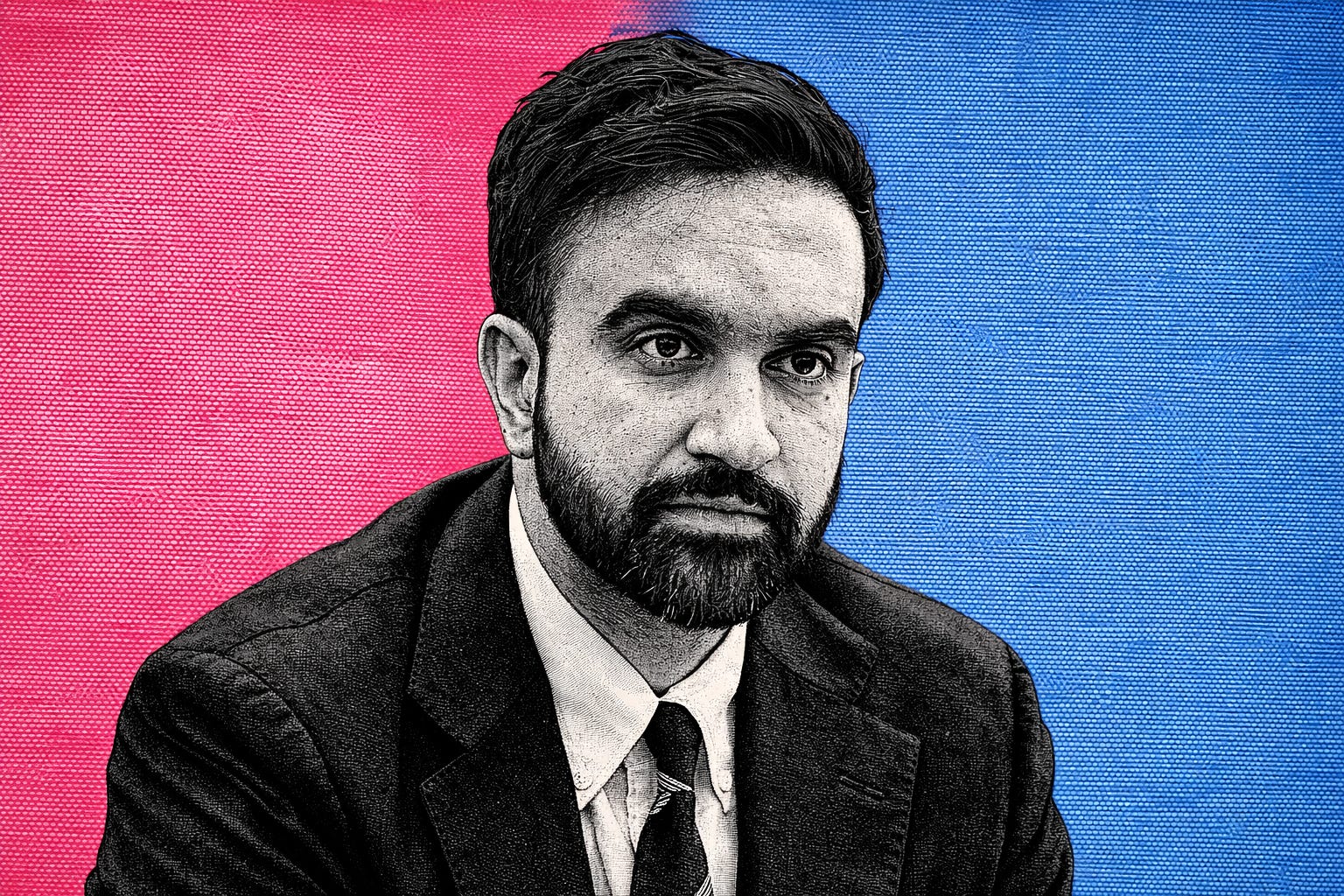
Supporting Palestinian rights and rejecting dehumanizing language do not have to be in conflict. They only seem opposed if you demand total ideological loyalty instead of making a real argument. Mamdani did not say Abulhawa was wrong about Gaza. He said calling people vampires and parasites was reprehensible.
The physics argument only works if you assume from the beginning that any criticism of Abulhawa’s words comes from the right. But Mamdani also faced strong criticism from the left. That is not physics; it is a framing choice, just like the one the article accuses Mamdani of accepting.
When the mayor of New York City stays silent about that kind of language, it is not a neutral act. In this city, silence sends its own message. Refusing to condemn it is not a principled stand; it means not taking politics seriously.
Mamdani is the mayor of New York City, not just a movement organizer without official responsibilities. He leads a city with one of the world’s largest Jewish populations and a large, diverse community where debates about antisemitism are real, not invented by the Washington Free Beacon. He made a decision, as mayors often do.
An activist can focus on the bigger picture, but a mayor must answer for specific actions.
The article points to the gang database, the NYPD’s work with ICE, and keeping the police commissioner as more signs of retreat. Some of these criticisms are valid. The Polis Project has covered them thoroughly, and they deserve scrutiny and accountability. But these are issues of governance: complicated, real, and open to debate. They do not prove that the man who stood outside the White House on a hunger strike, calling Gaza a genocide, has become a tool for Zionist political framing. Just calling something a pattern does not make it true.
There is also the claim that he won because of his stance on Palestine. Last time I checked, Palestinians can’t vote in NYC elections.
The idea is that his political support came from people mourning an ongoing genocide, and now he is using up that support, one concession at a time. It is a striking image, but it is also an exaggeration.
New York City elections are about housing, crime, unions, voter turnout, and local alliances built over the years. Saying a mayor won here because of just one issue is not real analysis; it is a story made to fit the betrayal argument. If you question that story, the whole argument falls apart.
Abulhawa’s grief is real, and so is the loss behind her words. But calling people vampires and parasites has a long, troubling history that does not disappear just because the speaker is hurting. The article asks readers to ignore that history out of solidarity. Mamdani chose not to do that. That is not backing down; it is the same moral consistency the article says it wants.
There is a version of politics that treats any contact with institutional reality as corruption. It is a clean position. But it has never had to stand in front of seventeen cameras and answer for someone else’s specific words in real time. The activist gets to hold the principle. The mayor has to hold the city.
We really need to grapple with your inability to abandon purity tests. It never helped anyone. It never will.
Mamdani is trying to figure out how to be the person who went on that hunger strike while also governing a city that will punish him for it whenever possible. The people asking him to hold the line might want to think more carefully about what that actually requires and whether the pressure they are applying is aimed at the right target.