


They are selling us rage and calling it connection.
You feel it the moment you open your phone. A spike of outrage, a clean enemy, a hit of certainty before your coffee cools. It feels reactive, personal, almost righteous. It is anything but accidental.
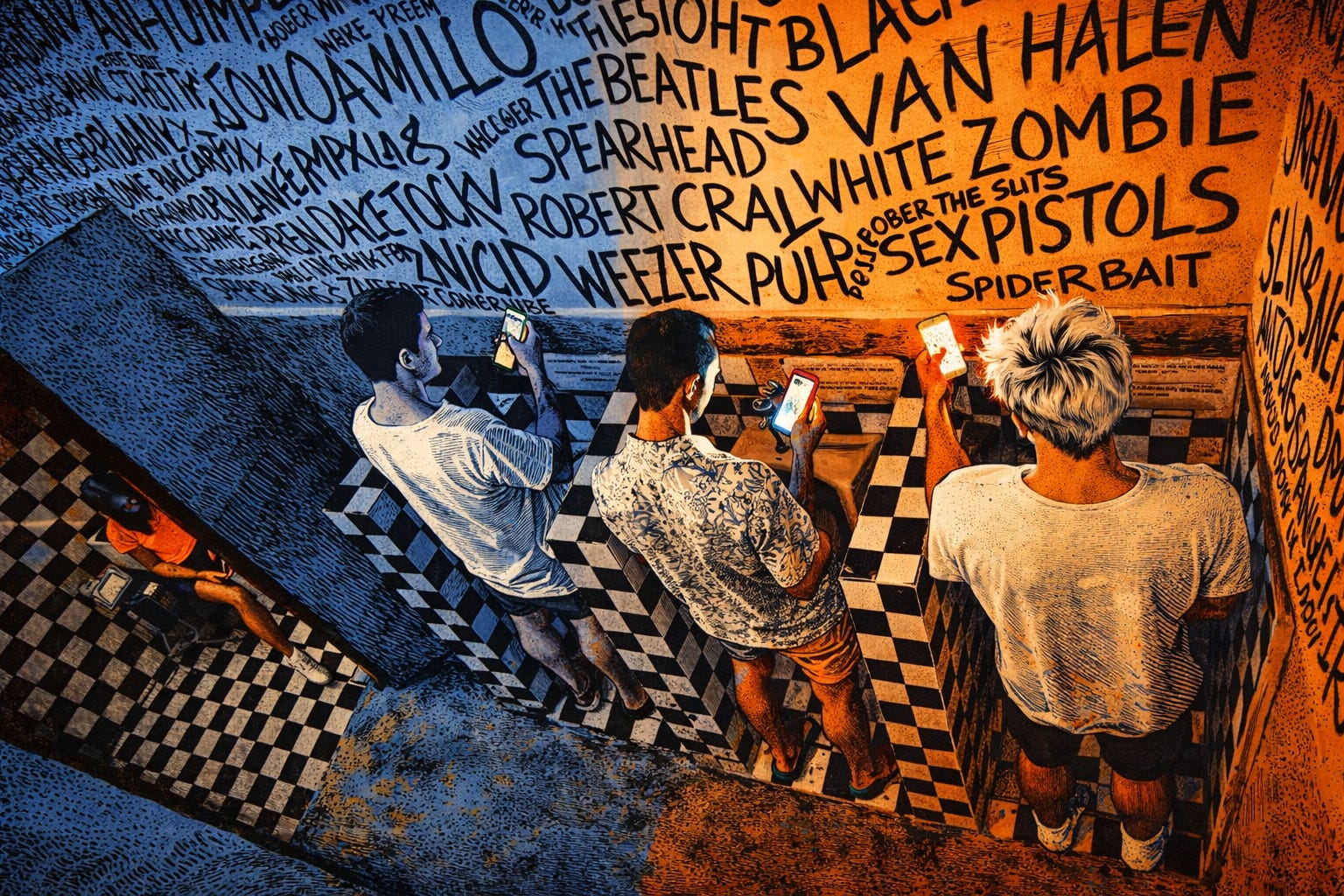
Zoom out and the pattern sharpens.
Platforms like Facebook, Twitter, and TikTok promise community, but what they actually deliver is friction.
The loudest voices rise fastest. Nuance sinks. Anger looks organic, but it arrives on schedule, shaped by systems that know exactly which nerve endings keep you scrolling.
What looks like chaos is engineered order.
I keep circling how deliberate this is. Algorithms optimized for engagement do not care what kind of attention they harvest. They only track duration, frequency, and intensity. Outrage dominates all three. It keeps people leaning forward, clicking again, arguing with strangers they will never meet.
We have more ways to speak than any generation before us, yet fewer places to feel heard. Everyone is broadcasting. Almost no one feels held. The platforms insist this is a connection, but the nervous system knows the difference.
What people seem to be starving for is not better content or more thoughtful takes. It is a community that does not require performance. Spaces where disagreement does not become identity warfare. Places where attention feels human instead of extracted. Once you see that absence, the rage economy starts to look less like a culture war and more like a symptom.