


When Zayn Malik says his “Indian heritage” shaped his new album Konnakol, Pakistanis rush to correct him as if ancestry works like a passport office. It does not.
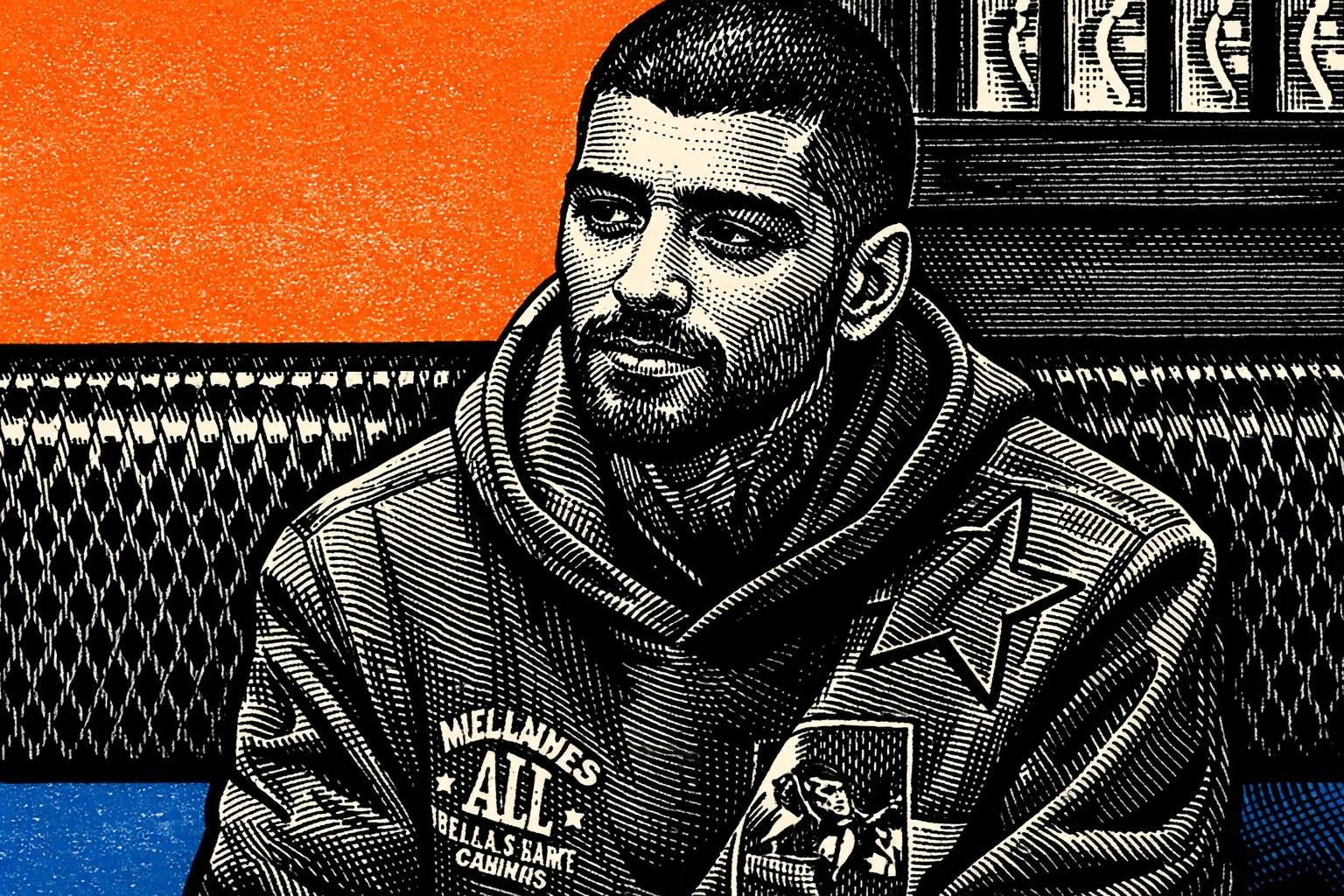
The subcontinent existed long before 1947. The borders did not create the culture. They sliced through it. Pakistan is a state. Indian civilization is older than most European monarchies. Confusing the two is modern politics pretending to be ancient history.
Let’s ground this.
Zayn’s father is Pakistani. Pakistan as a political entity emerged in 1947 after Partition. The music traditions he references, including Carnatic vocal percussion, predate that by centuries. Urdu, Punjabi, Sindhi, Pashto, Balochi, the food, the poetry, the ragas, the shared Indo Persian aesthetic, all of it flourished long before someone drew a line on a colonial map.
The Indus Valley did not apply for visas. Mughal courts did not check national ID cards. If an artist born in Bradford says his heritage is Indian in the civilizational sense, he is not misreading history. He is stepping around the narrowness of it.
The modern discomfort comes from a fragile national psychology.
Pakistan defines itself in opposition to India. The entire founding narrative rests on distinction. Religion became the differentiator. Identity hardened. Over decades, that political necessity turned into cultural amnesia. People began acting as if Punjabi poetry started in 1947. As if Sufi shrines materialized after independence. As if classical music split neatly into two sovereign streams. It did not. The same ragas flow through Lahore and Delhi. The same linguistic roots bind Karachi and Lucknow. National borders demand separation. Culture resists it.
There is also ego involved.
Post colonial states crave uniqueness. They want civilizational gravitas without sharing credit. So when a globally visible figure with Pakistani ancestry invokes “Indian heritage,” some hear erasure. They interpret it as surrender. It exposes a tension. The political project of Pakistan insists on distinctiveness. The lived reality of culture points to overlap.
Zayn’s album title references Carnatic tradition, which developed primarily in South India. That does not negate his Pakistani identity. It reflects a wider South Asian inheritance. The anxiety reveals how thin modern categories feel when placed next to thousand year continuities.
Nationality is recent. Civilization is ancient. Pakistanis are heirs to the Indus, to Persianate courts, to Sanskritic and Dravidian currents, to Sufi lineages, to British colonial disruption, to Partition trauma. So are Indians, in different proportions. Pretending those streams can be neatly separated because a state turned eighty confuses paperwork with history.
When Zayn talks about heritage, he gestures toward something older than flags. The discomfort says more about identity politics than about music. Once you see that distinction between state and civilization, arguments about wording start to look small.
By comparing our internal 'void' to the highly stylized, public-facing transitions of celebrities like Zayn, we fall into the trap of 'aestheticizing' our own struggles. Real growth doesn't look like a rebrand or a new aesthetic; it’s the quiet, often boring work of untangling who you are from who you’ve been told to be.